3D 12-Line Laser Level vs 4D 16-Line Laser Level: Which One Should You Choose?
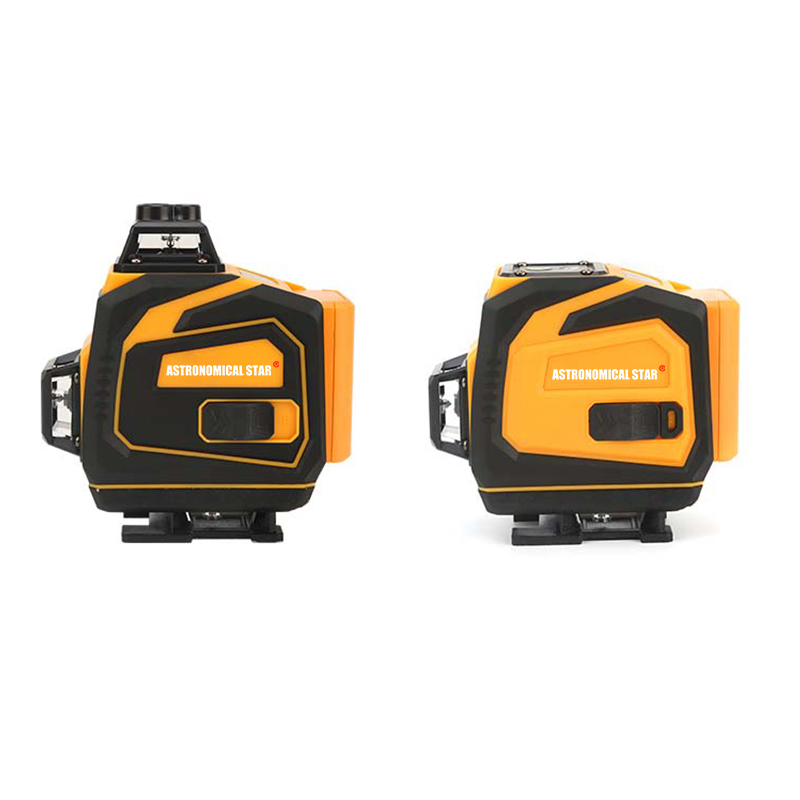
3D 12-Line Laser Level vs 4D 16-Line Laser Level: Which One Should You Choose?
If you need a laser level for construction or renovation, you may ask:
Should you choose a 3D laser level or a 4D laser level?
Both laser levels can project accurate horizontal and vertical lines. The main difference is the number of laser lines and the horizontal coverage.
Our product configurations:
- 3D Laser Level = 12 Lines = 8V4H
- 4D Laser Level = 16 Lines = 8V8H

What Is a 3D Laser Level?
A 3D 12-line laser level uses an 8V4H configuration. It has 8 vertical lines and 4 horizontal lines.
This laser coverage is enough for most construction and renovation work.
A 3D laser level is good for:
- Tile installation
- Floor leveling
- Ceiling installation
- Cabinet installation
- Door and window installation
- Wall alignment
- Interior renovation
A 3D 8V4H laser level is a good choice for daily work. It has good laser coverage, accuracy, size, and price.
What Is a 4D Laser Level?
A 4D 16-line laser level uses an 8V8H configuration. It has 8 vertical lines and 8 horizontal lines.
It has twice as many horizontal laser lines as a 3D 12-line laser level.
More horizontal lines give you more reference points. This can make some jobs faster and easier.
A 4D laser level is good for:
- Large renovation projects
- Ceiling installation
- Tile installation
- Cabinet installation
- Commercial interior renovation
- Complex construction layouts
More horizontal lines can reduce the need to move the laser level during work.
3D vs 4D Laser Level for Tile Installation
A 3D 12-line laser level can handle most normal tile installation work.
It can help you:
- Align wall tiles
- Plan floor layouts
- Set vertical reference lines
- Set horizontal reference lines
- Check wall alignment
A 4D 16-line laser level is a good choice for large projects.
Large projects may need horizontal reference lines at different heights. A 4D laser level can project more horizontal lines at the same time.
3D vs 4D Laser Level for Ceiling Installation
Ceiling work needs accurate horizontal reference lines.
A 3D 12-line laser level can meet most needs for normal ceiling installation.
A 4D 16-line laser level has more horizontal lines. It is good for:
- Ceiling installation
- Light installation
- Different ceiling heights
- Large ceiling projects
More horizontal lines can reduce the number of times you need to move the machine. This can help you work faster.
3D vs 4D Laser Level: Main Differences
| Feature | 3D Laser Level | 4D Laser Level |
|---|---|---|
| Total Laser Lines | 12 Lines | 16 Lines |
| Vertical Lines | 8V | 8V |
| Horizontal Lines | 4H | 8H |
| Configuration | 8V4H | 8V8H |
| Laser Coverage | Good | More Coverage |
What Should You Check Before Buying?
Laser line count is important. But you should check other specifications too.
1. Accuracy
Check the accuracy before you buy.
Example: ±2 mm / 7 m
The accuracy should meet your work needs.
2. Self-Leveling
Many professional laser levels have around ±3° automatic self-leveling.
If the machine is outside the self-leveling range, it will give an alarm. This can help prevent wrong measurements.
3. Laser Visibility
In most indoor areas, green laser lines are easier to see than red laser lines.
Laser visibility depends on:
- Laser diode
- Optical parts
- Laser output
- Working distance
- Light in the work area
4. IP Protection Rating
Construction sites can have dust and water.
An IP54 laser level can help protect the machine from dust and water splashes.
5. Battery
If you work for many hours, choose a laser level with a rechargeable lithium battery.
A larger battery can give you a longer working time.
Which Laser Level Should You Choose?
If you mainly do home renovation, tile installation, cabinet installation, door and window installation, or normal construction work, a 3D 12-line laser level (8V4H) can meet your daily needs.
If you work on large projects or complex projects, you may need more horizontal lines and more reference points. A 4D 16-line laser level (8V8H) can be a better choice.
How Laser Level Factory Controls Product Quality
Leveling Staff Guide: Uses, Features and How to Use a Surveying Staff