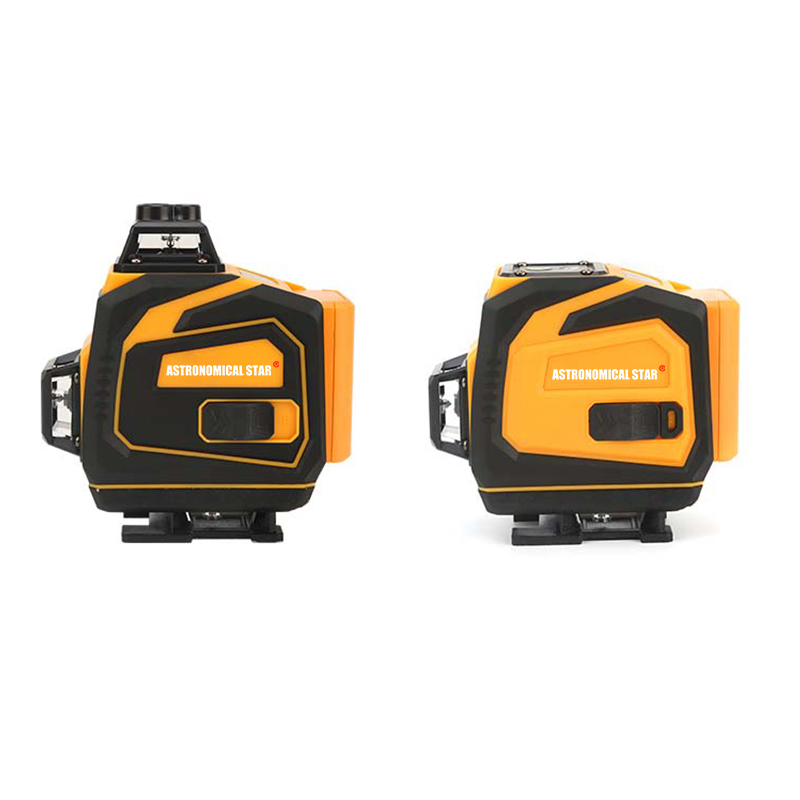
2026 Construction Laser Tool Buying Guide: How to Choose from 2-Line to 16-Line Models
2026 Construction Laser Tool Buying Guide: How to Choose from 2-Line to 16-Line Models
Laser levels are among the most transformative small tools on construction and renovation sites. In 2026 the product range is wider than ever — from compact 2-line units for home DIY to powerful 16-line green-beam systems used by professional contractors. Choosing the right model means balancing budget, accuracy, visibility, durability and workstation workflow. This guide walks you through a step-by-step selection logic and explains what really matters when buying a laser level in 2025.
1. What “line count” means and why it matters
The line count of a laser level refers to the number of projected laser planes (horizontal and vertical). A simple 2-line tool typically projects one horizontal and one vertical plane. A 16-line tool creates multiple horizontal and vertical planes delivering near-complete 360° coverage.
- 2-line: Basic indoor alignment — picture hanging, small shelving, single wall tasks.
- 4–5 line: Small renovation and light trades — tiling, basic ceiling installations, precise vertical references.
- 12 line: Professional finishing and mid-sized renovation projects — multi-room layouts, comprehensive ceiling and wall layout.
- 16 line: High-end professional use — whole-room/whole-floor workflows, simultaneous multi-person operations, advanced MEP layouts.
More lines equal more coverage, but not always better value. The right tool is the one that matches your primary tasks: a hobbyist rarely needs a 16-line unit, while a professional fit-out team will value the time saved by full coverage.
2. Typical use cases — match the tool to the job
Home & DIY
Choose 2-line or basic 4-line. These units are compact, easy to operate and affordable. They are ideal for hanging fixtures, aligning shelves, and small renovation touches.
Interior contractors & small teams
4–5 line models provide extra vertical references. Good for electricians, tilers, and carpenters who need reliable verticality and several reference planes in rooms.
Large renovation & professional fit-out
12-line models are often the best compromise: extensive coverage with reasonable cost. They support ceiling installation, full-room tiling, cabinets and long runs of alignment work.
Commercial construction & engineering
16-line green-beam systems are optimized for multi-crew projects, extensive ceiling grids, MEP coordination and situations where every worker needs an instant reference line.
3. Green vs Red laser — visibility and application
One of the most frequent questions is about laser color. In 2026 the trend continues: green lasers provide significantly higher perceived brightness and visibility than red lasers under equivalent power.
- Green laser (505–515 nm range): Far more visible to the human eye, especially in bright interiors and near windows. Preferred for multi-line and high line-count units in professional settings.
- Red laser (around 630–650 nm): More energy efficient and lower cost. Suitable for small indoor jobs or where budget is primary.
Important note: color affects visibility, not intrinsic measurement accuracy. Precision is determined by leveling mechanism, build quality and calibration.
4. Power systems & battery compatibility
Battery choice strongly impacts field workflow. In 2026 key trends are:
- Li-ion internal batteries: Common, convenient and offering good runtime.
- Replaceable battery packs: Allow continuous operation with spare packs.
- Tool-battery compatibility (Makita / DeWalt style): Increasingly popular — uses the same batteries as other cordless tools on site, reducing battery inventory and increasing runtime.
If your crews already use a cordless tool ecosystem, prefer models that can use those batteries. For occasional users, built-in batteries are fine; for high-intensity operations, choose replaceable or tool-compatible systems.
5. Accuracy, leveling range and environmental protection
When comparing specs, look for:
- Accuracy: Many professional models advertise ±2 mm @ 7 m — a good benchmark for interior finishing.
- Self-leveling range: ±3° is a common and practical value; the device should lock and alert when out of range.
- Protection & durability: IP54 or higher for dusty or wet environments; robust housing for daily site use.
Also consider operating temperature range and shock resistance — these are relevant if tools are moved frequently or used outdoors.
6. Workflow & connectivity features
In 2025 many premium laser levels offer Bluetooth or app support: remote control, calibration checks, data export and pairing with layout apps. These features are not always essential, but they can accelerate tasks and integrate measurement data into BIM or project management systems.
For teams adopting digital workflows, prefer units with stable connectivity and straightforward app UI. For basic applications, simple physical controls are sufficient and more resilient.
7. Buying checklist — quick decision matrix
- Define primary use: Home/DIY / Small renovation / Professional fit-out / Commercial construction.
- Choose line count: 2–4 for DIY, 5–12 for contractors, 16 for heavy professional use.
- Pick laser color: Green for bright and large spaces; red for budget and low-light indoor tasks.
- Confirm battery type: Tool-compatible if you already use cordless tools.
- Check accuracy & IP rating: Target ±2 mm @ 7 m and IP54+ for longevity.
- Consider connectivity: Required only if you plan digital integration.
8. Value considerations and resale
Higher line counts and green beams increase retail price but also deliver measurable time savings on large projects. For rental businesses and contractors, total cost of ownership — including battery lifecycle and calibration — often favors higher-spec models. Also note resale value: professional green multi-line units hold value better than lower-end red models.
Conclusion
There is no single “best” laser level — only the best match for your projects and budget. In 2025 the dominant trends are green beams for visibility, higher line counts for professional efficiency, and battery compatibility for toolbox consolidation. Use the decision matrix above to match your needs to the right product, and you’ll reduce errors, speed up workflows, and deliver higher quality results on every job.
Five Common Measurement Errors in Interior Renovation — and How Laser Tools Help Avoid Them
How Will the Global Construction Market Change in 2026? Where Are the Growth Opportunities for Laser Measurement Tools?